Choosing an eyewear manufacturer can look easy until the first bulk order arrives late, the approved color changes, or a certificate turns out to be a screenshot. Then a promising collection becomes an expensive problem. I have watched buyers lose seasons this way, and the worst mistakes usually begin before sampling.
The right eyewear manufacturer is not simply the factory with the lowest quotation. I look for a partner who understands the product, explains materials clearly, controls samples and bulk production, documents quality checks, answers technical questions, and gives realistic commitments. A serious supplier should also show how it handles tooling, color standards, assembly, packaging, compliance paperwork, and corrective action. If those systems are visible before the order, the buyer has a much better chance of receiving what was actually approved.
In this guide, I will show you the audit questions I would ask before trusting an eyewear manufacturer with a brand, a launch date, and a deposit.
What Should a Serious Eyewear Manufacturer Understand About Your Business?
Before discussing hinges or acetate colors, I ask how the buyer sells. A wholesale distributor, an optical chain, and a private-label startup face different risks. The target price matters, but so do the sales channel, destination market, launch calendar, packaging format, and expected reorder pattern.
A capable manufacturer should turn that commercial brief into practical questions. Is the collection optical, sun, or mixed? Is the buyer selecting ready-to-ship models or developing exclusive shapes? Which logo method is suitable? What records will the destination market require? Silence at this stage is not efficiency. It postpones the confusion.
I also want the supplier to identify conflicts early. A complex custom detail, tight launch date, and unusually small first order may not fit neatly together. An honest “these are your trade-offs” is more valuable than a cheerful yes that expires after the deposit.
Ask the eyewear manufacturer to summarize your project in writing. If the summary misses the market, material family, color direction, branding, packaging, quantity range, or deadline, fix the brief before requesting samples. A factory cannot control a target that keeps moving.
Can the Supplier Explain Frame Materials Without Hiding Behind Jargon?
Buyers do not need to become engineers. They do need explanations that connect material choices to design, finish, weight, flexibility, production method, price, and intended use. “Premium quality” is not a material specification. It is a phrase that has attended far too many sales meetings.
For acetate, metal, stainless steel, titanium, beta-titanium, TR90, or other injection materials, ask what the supplier is actually quoting and how it will document it. If a claim affects safety or compliance, request the relevant declaration or test evidence rather than relying on a product name alone.
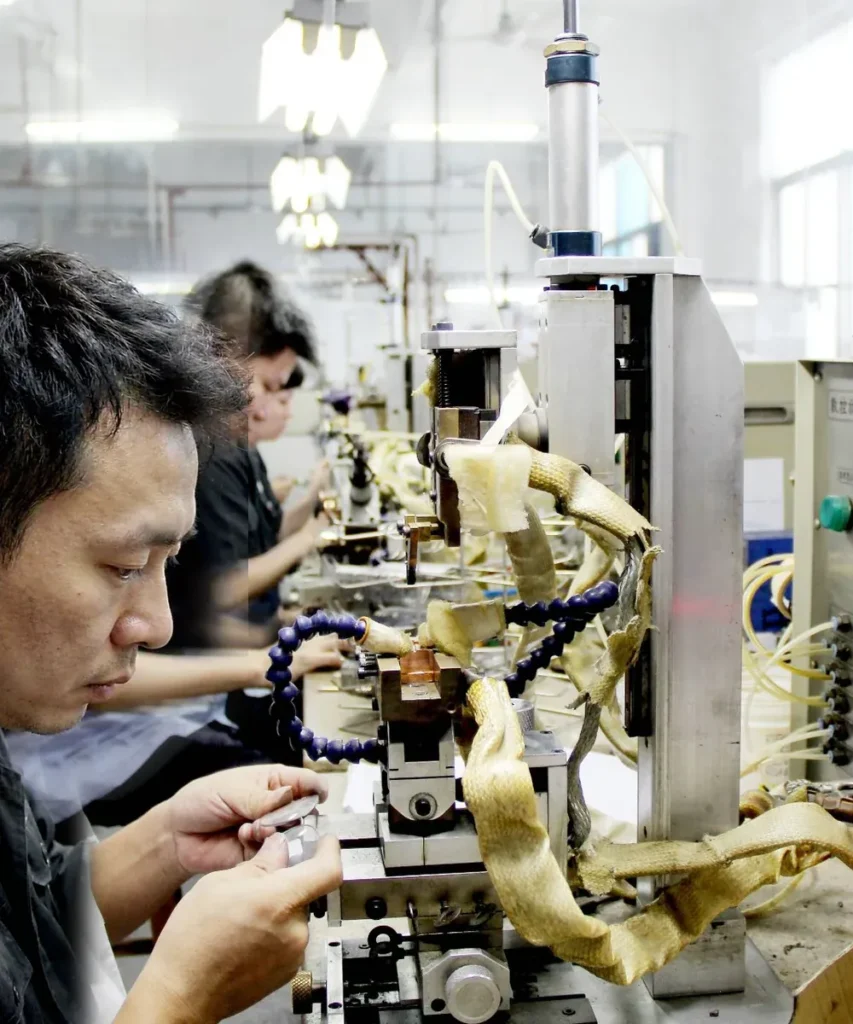
At JYC Eyewear, we work across acetate, metal, titanium, and injection-frame programs. My practical advice is simple: approve a written bill of materials or an equivalent specification before bulk production. It should identify the agreed components and finishes in language both sides can understand.
Then make the supplier explain the difference between “similar appearance” and “same material.” Those are not interchangeable. If the explanation becomes foggy precisely when the question becomes specific, you have learned something useful before spending much money.
How Do You Audit Design, Tooling, Sampling, and Bulk Consistency?
A beautiful sample from an eyewear manufacturer proves that one beautiful sample can exist. It does not prove that bulk production will match it. Your audit should examine the route from drawing or reference sample to tooling, color approval, pilot sample, production standard, and final inspection.
Ask who controls drawings and revisions. How are changes recorded? Which sample becomes the golden sample? How are acetate patterns, plated colors, sprayed colors, logos, lenses, hinges, temple lengths, and packaging references approved? If everyone is pointing to a different message thread, the project already has too many “final” versions.
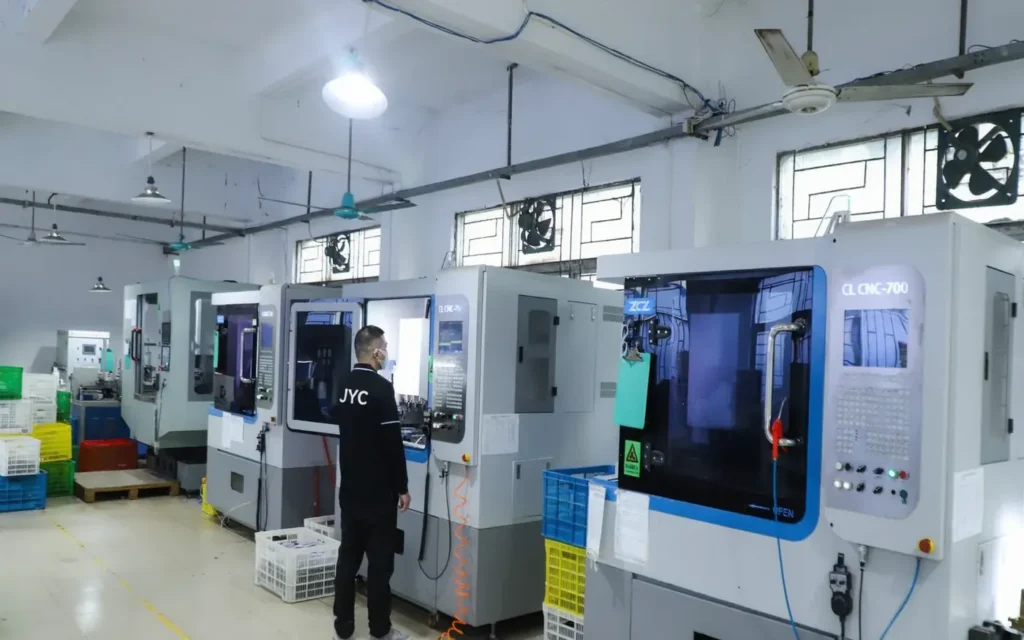
I recommend a signed approval sheet with photographs, color references where appropriate, dimensions, logo placement, packaging, and revision date. Keep one approved sample with the buyer and one with the factory. This makes later discussions much less philosophical.
For a custom frame, also ask what happens if the first sample fails. Is one revision included? Does a tooling change affect cost or timing? Who confirms the correction? A supplier should make the revision path visible before a problem appears, not invent the path while the launch clock is running.
What Does Meaningful Eyewear Quality Control Look Like?
Quality control is not a person holding a frame near a bright light for a photograph. It is a defined set of checks linked to an approved standard. The exact checks depend on the frame, components, lenses, buyer requirements, and destination market.
At minimum, ask how the factory controls incoming materials, dimensions, symmetry, surface finish, color, logo position, hinge operation, screw condition, lens fitting, frame alignment, cleanliness, accessories, and packaging. Ask when each check occurs and what record remains.
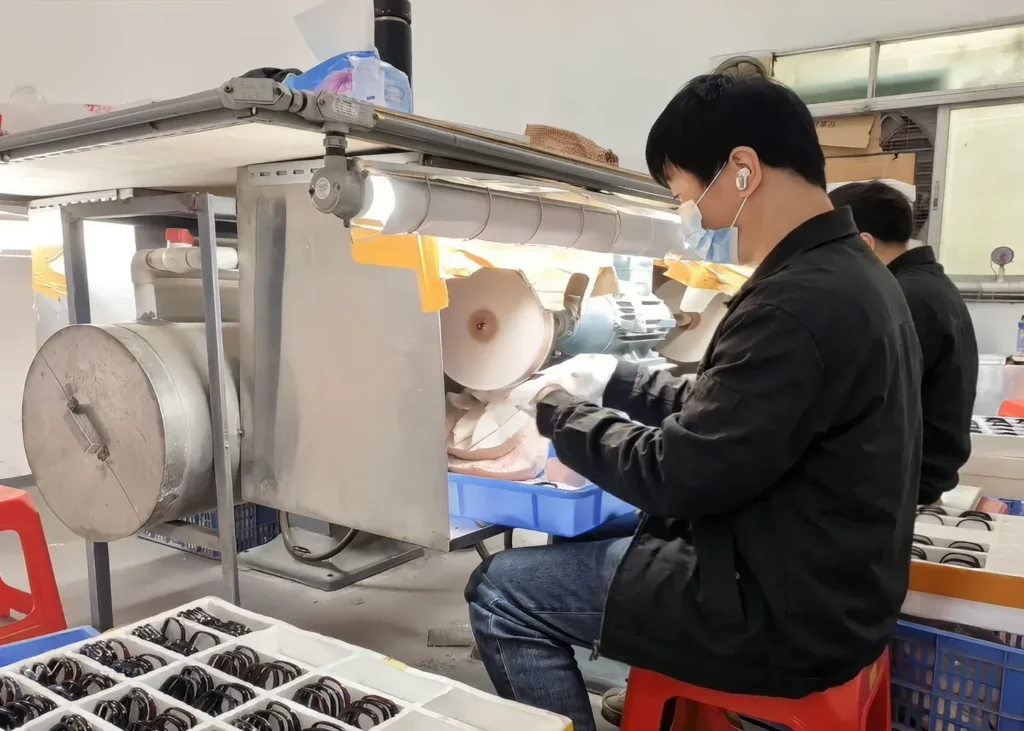
Sampling plans also matter. “We inspect everything” sounds comforting, but the buyer should understand what “inspect” means, which characteristics the factory checks, and how it classifies defects. Request a sample inspection report before placing the bulk order. A blank template can reveal more than a polished brochure.
Finally, ask about nonconforming goods. Who has authority to stop the lot? How are defects separated? How is rework verified? What corrective action does the supplier take if the same issue returns? Good factories do not claim that problems never occur. They show how they contain problems.
How Can You Verify Compliance Documents Instead of Collecting PDFs?
Compliance paperwork should match the actual product, responsible party, destination, and applicable rule. A logo on a document is not verification. Check the issuer, report number, product identification, test standard, dates, applicant, manufacturer details, and scope.
CE and UKCA requirements are not magic labels applied identically to every frame in every situation. The applicable rule depends on the product and the market: in the EU, the Personal Protective Equipment Regulation covers sunglasses, while frames placed on the market as medical devices fall under the Medical Device Regulation. Ask which rule applies, who signs the Declaration of Conformity, and what technical evidence supports it.
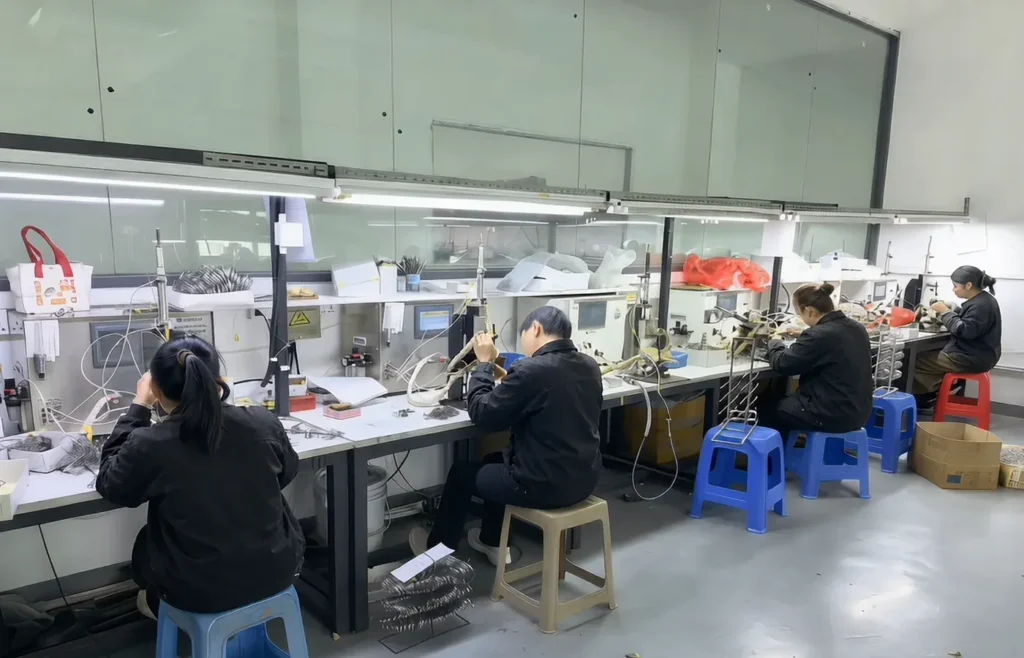
My rule is blunt: never ask only, “Do you have CE?” Ask, “Which document applies to this product, for this market, under whose responsibility, and may I verify it?” The second question tends to improve the quality of the answer.
Are MOQ, Capacity, and Lead-Time Promises Commercially Realistic?
MOQ is not just a number. It is the result of material purchasing, color preparation, tooling setup, component availability, production efficiency, packaging, and the amount of variation inside the order. A low quantity across many colors can be harder than a larger order in one stable specification.
Ask for the MOQ by model, color, and customization method. Then ask what changes it. Logo application, special plating, custom acetate, exclusive components, custom cases, and printed packaging may each have separate thresholds. Put those conditions in the quotation so the MOQ does not mysteriously grow after sampling.
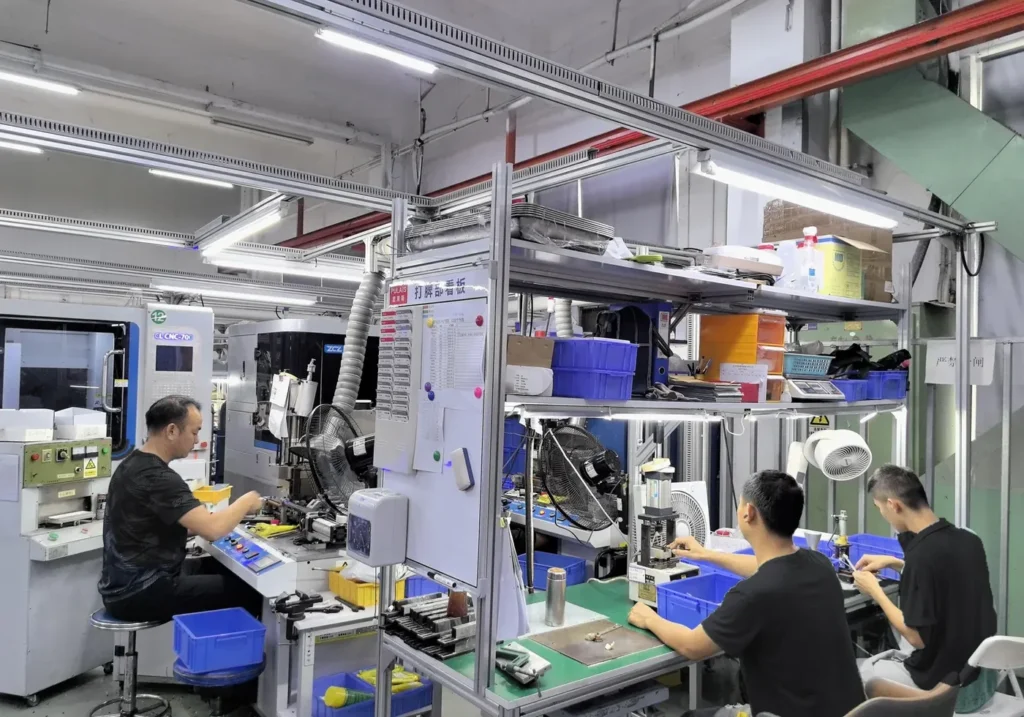
Lead time deserves the same treatment. Separate design confirmation, tooling, sampling, material preparation, bulk production, inspection, packaging, and shipping. Ask which date starts the clock. “After order” might mean after deposit, after artwork approval, after sample approval, or after all three.
Check capacity against your product type and calendar, not a factory-wide headline. If your launch is seasonal, build time for revisions and transport. A realistic schedule with buffers beats an heroic promise followed by weekly excuses.
How Do You Test Communication Before the Order Gets Difficult?
Sales communication during quotation is usually the supplier at its fastest. Test technical communication too. Send a short set of specific questions about material, hinge choice, color approval, logo method, packaging, testing, and production timing. Note whether the answers are complete, consistent, and owned by a named person.
I have sat through enough buyer calls to know that speed without accuracy creates very efficient mistakes. The best response is not always immediate. It may be, “I need to confirm that with engineering and will reply tomorrow.” What matters is that tomorrow arrives with an answer.
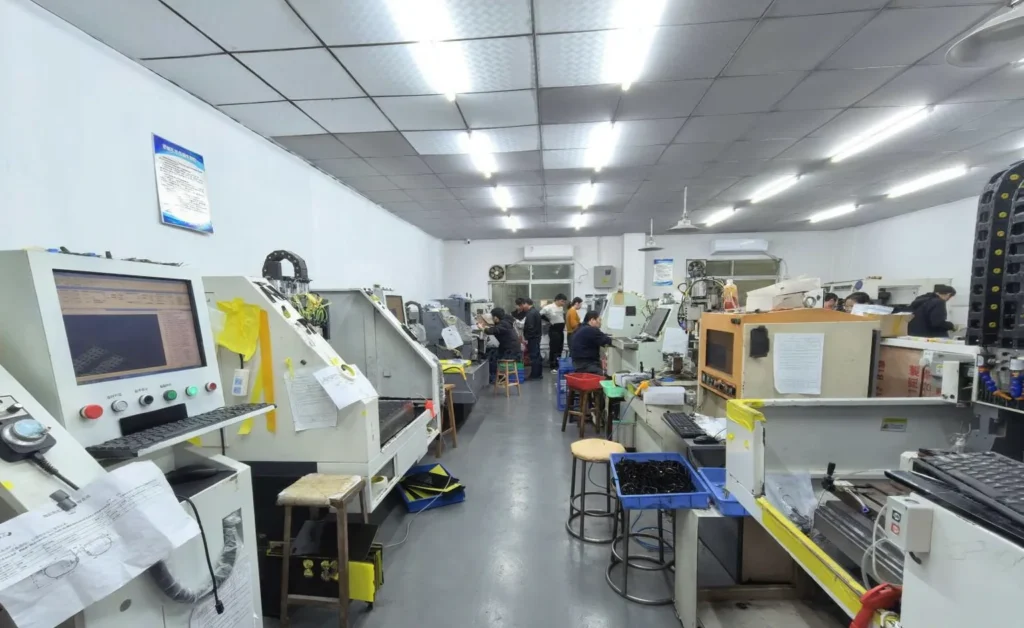
Agree on a communication structure before production. Name the commercial contact, technical contact, approval authority, and escalation contact. Keep decisions in a shared written record. If a color change lives only in a voice message, future archaeology will be unpleasant.
Also test bad-news behavior. Ask how the supplier reports a delay, failed component, or sample mismatch. A reliable partner raises a problem early, explains the impact, proposes options, and records the decision. A weak partner goes quiet until the problem becomes visible from another continent.
How Should You Compare Eyewear Manufacturer Quotes Beyond Price?
Compare quotations line by line. Check material, construction, finish, components, logo, lenses if included, accessories, packaging, sample charges, tooling, testing, payment terms, trade terms, and freight assumptions. Two prices are not comparable when they describe different products.
Then estimate the cost of failure. Rework, replacement, air freight, delayed launches, returns, retailer penalties, and damaged trust can erase a small unit-price saving quickly. Factory-direct pricing matters, but predictable execution protects the margin you were trying to create.
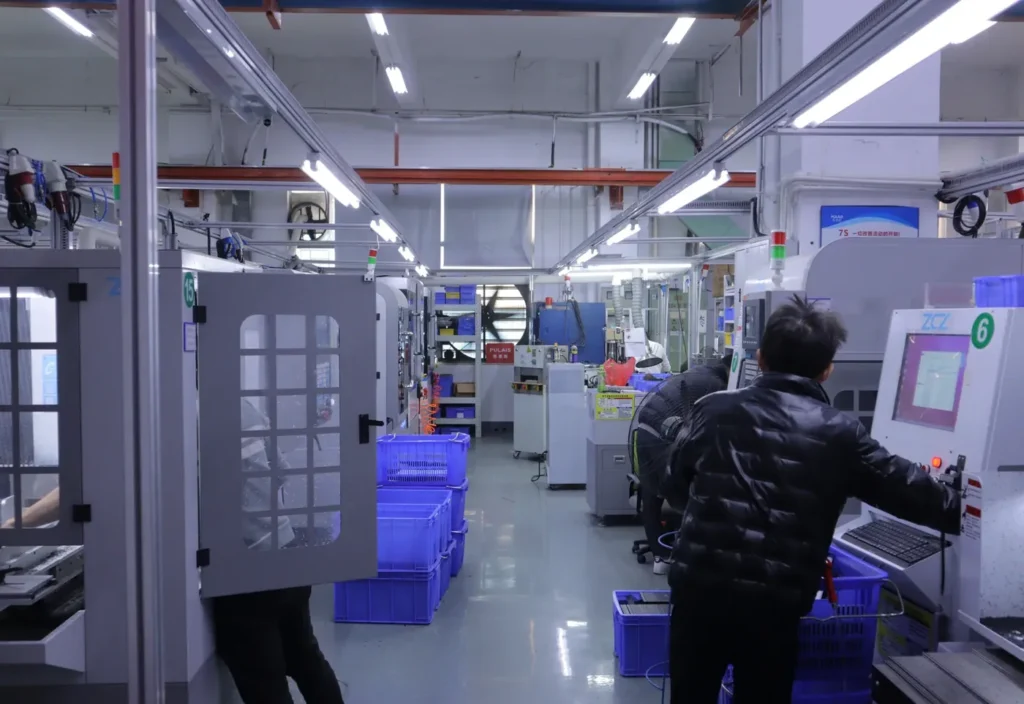
Payment terms should reflect a defined order and agreed milestones. Verify the beneficiary details through a trusted channel, especially if bank information changes. For higher-risk projects, consider staged approvals or independent inspections appropriate to the order.
I do not tell buyers to ignore price. I tell them to price uncertainty. The cheapest supplier can be excellent, but cheapness itself is not evidence. Evidence is a clear specification, controlled sample, credible documentation, visible process, and consistent communication.
What Should You Ask an Eyewear Manufacturer Before a Purchase Order?
Use the following checklist during supplier qualification. Ask for written answers that are specific and connected to your actual product:
- Which legal entity will invoice us, and can you confirm the registration details in writing?
- Which production steps happen inside your factory, and which ones do you subcontract?
- Who owns the tooling for this design, where is it stored, and what happens to it if we stop ordering?
- Can you send a written bill of materials listing the agreed materials, components, and finishes?
- Which colour standard will we approve against, and how is that reference recorded and kept?
- What is the MOQ for this model, in this colour, with this logo method?
- Which date starts the lead-time clock, and what does it exclude?
- Which sample approvals do you require before bulk production begins?
- Which inspection points apply, against which standard, and what records will we receive?
- Which compliance documents apply to this product in our market, and who signs them?
- What happens if the bulk order fails inspection, and who authorises rework or replacement?
- Who are our commercial, technical, and escalation contacts once the order is running?
Do not accept a folder of unrelated certificates as an answer to a product-specific question. Do not accept “standard quality” without a standard. And do not accept a production date that has no defined starting point. Ambiguity is not flexibility; it is risk wearing comfortable shoes.
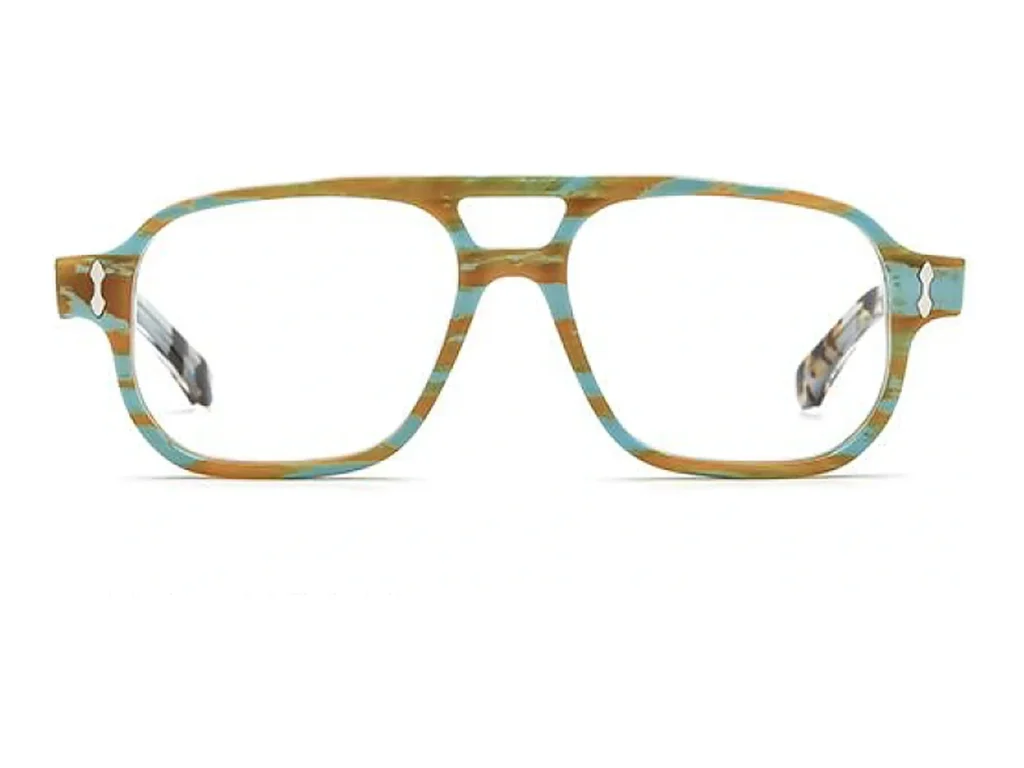
Which Warning Signs Should Make You Pause Before Choosing an Eyewear Manufacturer?
Pause when the eyewear manufacturer refuses a video factory review, avoids showing relevant work areas, cannot explain which entity will invoice you, or gives inconsistent company details. Pause when the answer to every question is “no problem,” especially when the questions contradict each other.
Other warning signs include altered-looking documents, report screenshots without traceable files, pressure to skip sample approval, unexplained bank changes, material descriptions that shift between messages, and timelines that ignore tooling or approvals. One warning sign deserves a question. Several deserve a new supplier search.
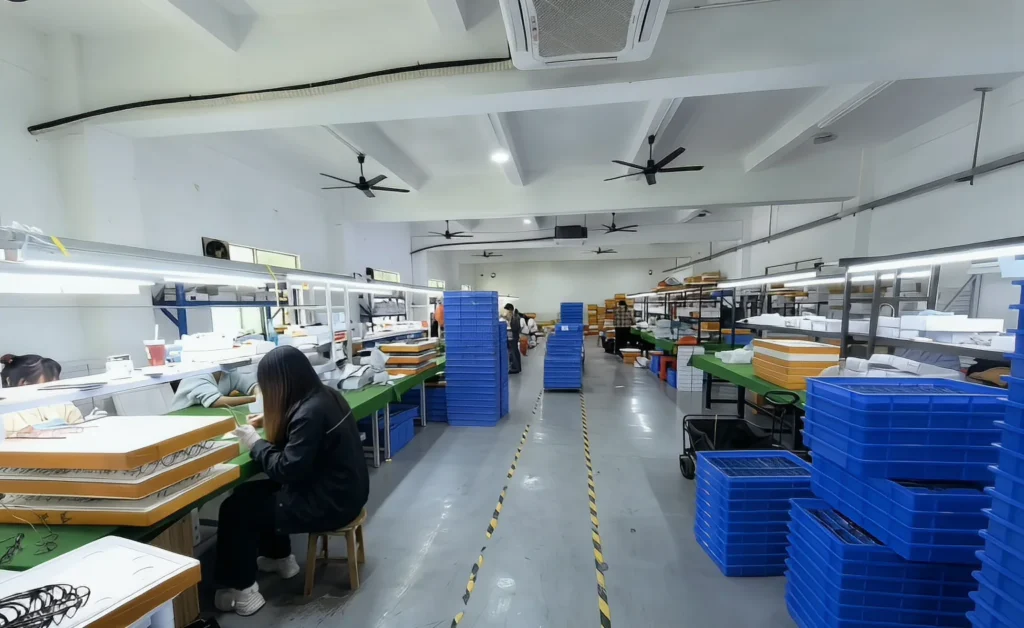
I also watch for blame before production starts. If sales blames engineering, engineering blames purchasing, and nobody owns the answer, the buyer will become the project manager by default. That is a demanding job, and unfortunately it does not come with a factory salary.
Choose the eyewear manufacturer that makes risk visible before it becomes expensive. Audit the brief, materials, samples, process, quality records, compliance evidence, timing, and communication. A dependable supplier will not promise perfection. It will show you a controlled path from idea to repeatable delivery.
If you are shortlisting suppliers now, you can browse the JYC frame catalogue to see which material programs we run, or send your brief to our team and we will answer the questions above in writing before you commit to a sample round.